Our planet
What’s at stake?
Climate change is the defining issue of our time, and we are at a crucial moment. According to the Intergovernmental Panel on Climate Change (‘IPCC’) between 21-37% of greenhouse gas emissions globally are attributable to the food system – encompassing agriculture and land use, processing and transport, through to consumption and food waste. The food industry has a major role to play in helping the food system transition to a more sustainable, resilient future.
100%
of our directly sourced palm is certified through a segregated or mass balance supply chain
40%
reduction in our scope 1 and 2 greenhouse gas emissions since 2020/21 (market-based)
5%
improvement in water efficiency (cubic metres/£m revenue) since 2024/5
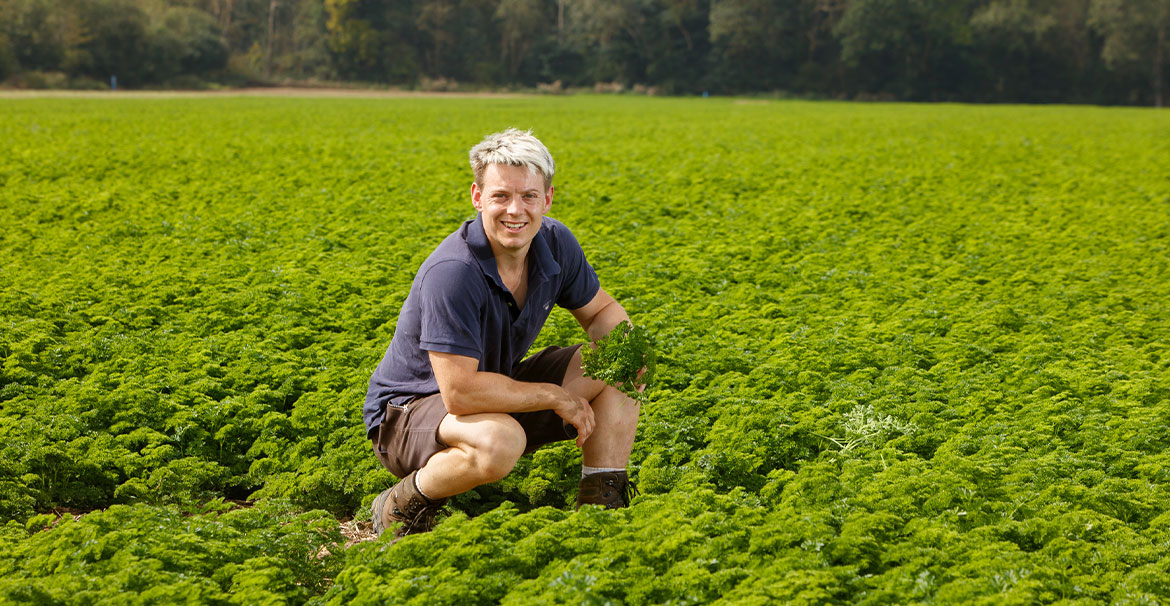
Contributing to a healthier planet
Our ambitions, targets and progress over the last year
Our decarbonisation and deforestation targets, which are summarised below, have been validated by the Science Based Targets initiative. The specific scope, methodology and timings can be found here.
Taking action on climate change and protect natural resources
Our 2030 targets | Progress |
Reduce scope 1 and 2 emissions by 67% and target net zero by 2040 | Net-zero targets validated by SBTi. Scope 1 & 2 market-based emissions have reduced by around 14% against prior year and 40% since our baseline year of 2020/21. |
Reduce scope 3 emissions by 28% and target net zero by 2050 | Net-zero and FLAG targets validated by SBTi. 70% of our key suppliers now have science-based decarbonisation targets. Adopting supplier data into Scope 3 measurement to reflect improvements. |
Improve our understanding of water use within our operations and improve water efficiency by 5% by 2030, against a 2024/25 baseline | Embedded new water strategy across sites. Water usage down by 3%, water efficiency improved by 5% against prior year. |
Drive a sustainable and resilient supply chain
Our 2030 targets | Progress |
No deforestation across primary deforestation-linked commodities, by the end of 2025. | The SBTi requires deforestation targets to be aligned to the end of 2025. At the end of 2025 we had controls in place for all directly sourced key deforestation linked commodities with the exception of 10% of our sugar and 2% of our cocoa where we continue to work with our suppliers. |
Champion responsible and regenerative agricultural practices for key directly sourced ingredients | Continued trials with suppliers on low carbon fertiliser.
|
Ensure those working in the food industry are treated fairly. | Embedding new Human Rights policy launched in 2024. All sites have colleagues trained on modern slavery. High level human rights risk screening carried out on key ingredients and discussions ongoing with suppliers on their due diligence approaches. |
Reducing waste across our value chain
Our 2030 targets | Progress |
Halve our food waste and support our suppliers to do the same, against a 2017 baseline | Improved segregation of waste at Ashford site to divert food waste from anaerobic digestion to animal feed. Improved distribution to animal feed at Lifton site. |
| Use the strength of our brands to engage consumers to reduce food waste in the home | We have again worked with our charity partner Felix (formerly FareShare) to raise awareness and funds to help tackle food insecurity. |
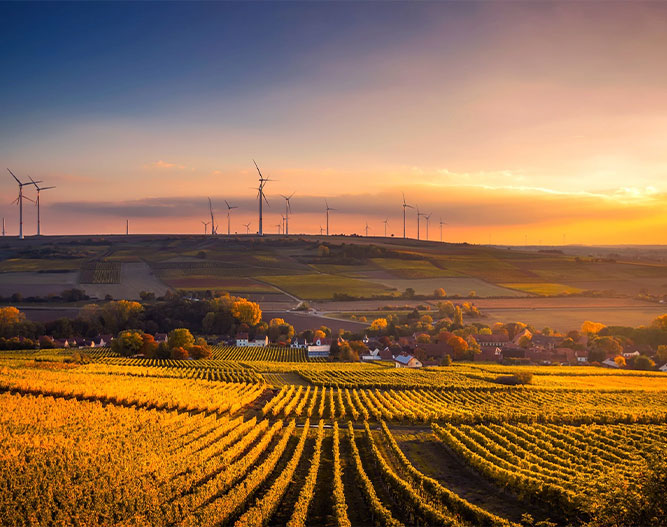
Reducing emissions
We have established site energy councils to drive reduction in energy usage and carbon emissions in our sites and are working with new suppliers and universities to innovate on new ways to make our products. Over 90% of our carbon impact is in the products and services we buy. We have a supplier engagement programme in place to help us work together for a more positive impact.
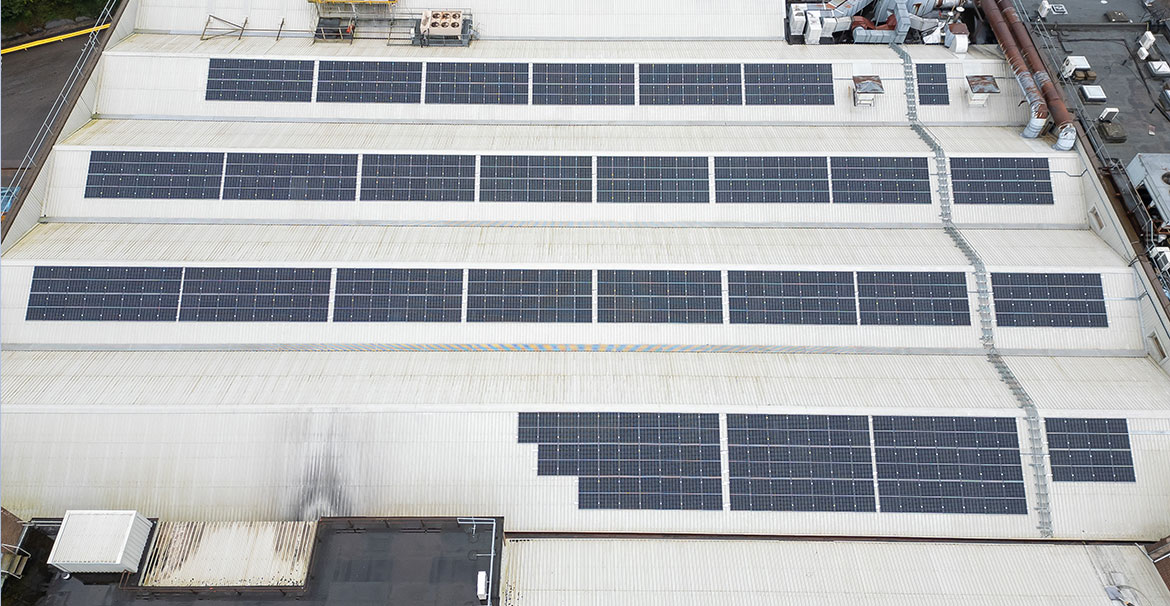
Clean electricity
We continue to support the transition to clean electricity, strengthening our target to use solely renewable electricity by 2030.
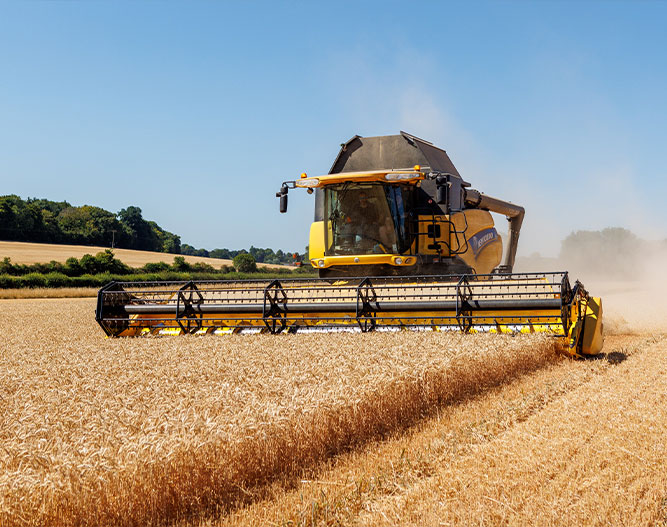
Minimising deforestation
Despite their critical importance, forests worldwide continue to be under threat, with our food systems remaining the primary driver of global deforestation and agricultural expansion accounting for around 90% of forest loss worldwide. The food industry must come together to tackle deforestation if it is to transition to a sustainable and resilient future. See page 47 of our FY25/26 Annual Report and Accounts for more information on our approach to this complex issue.
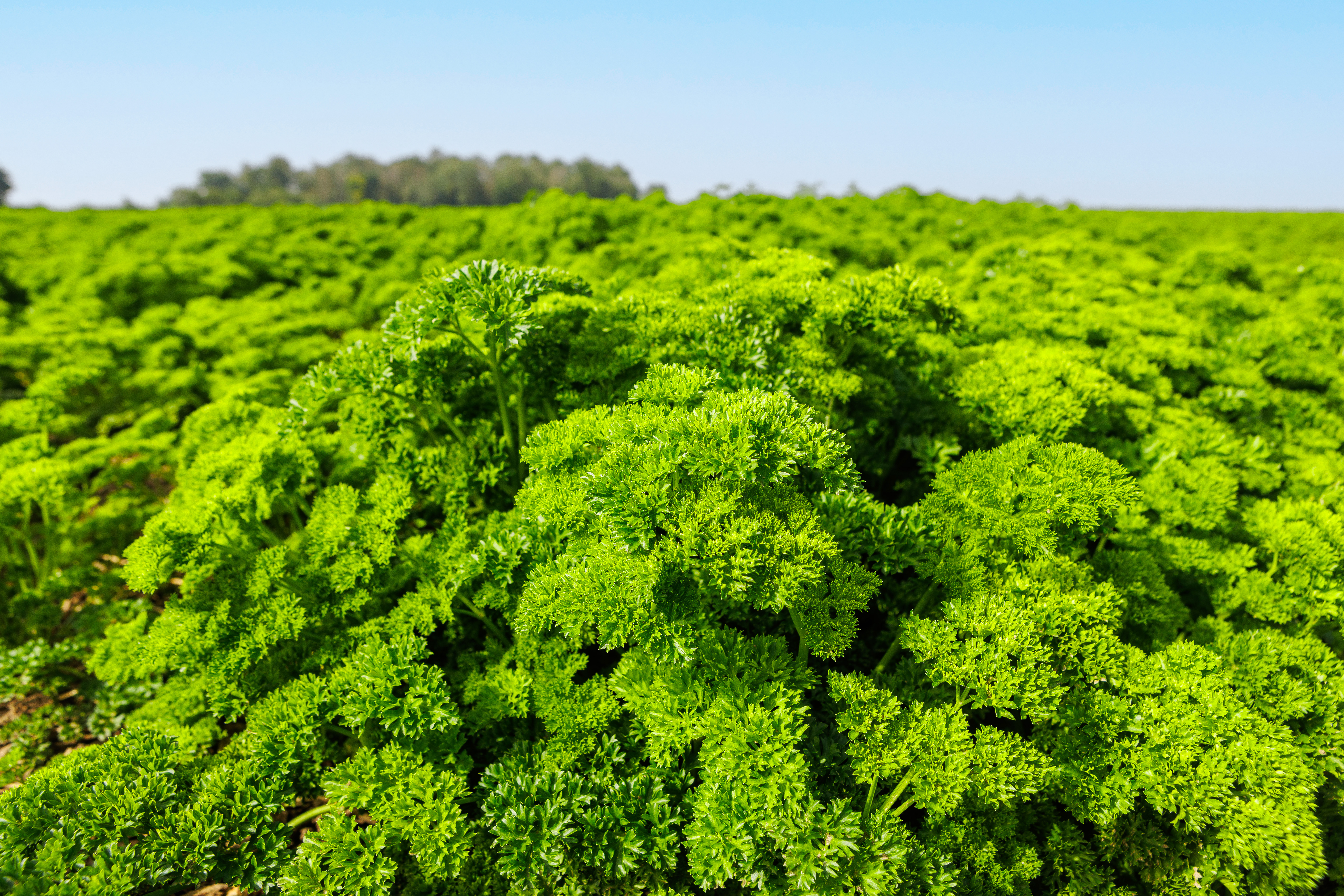
Regenerative agriculture
We are committed to regenerative agriculture where it can help us reduce carbon emissions associated with the ingredients we use. To support this, we are members of the Sustainable Agriculture Initiative (SAI) and The UK Water Roadmap.
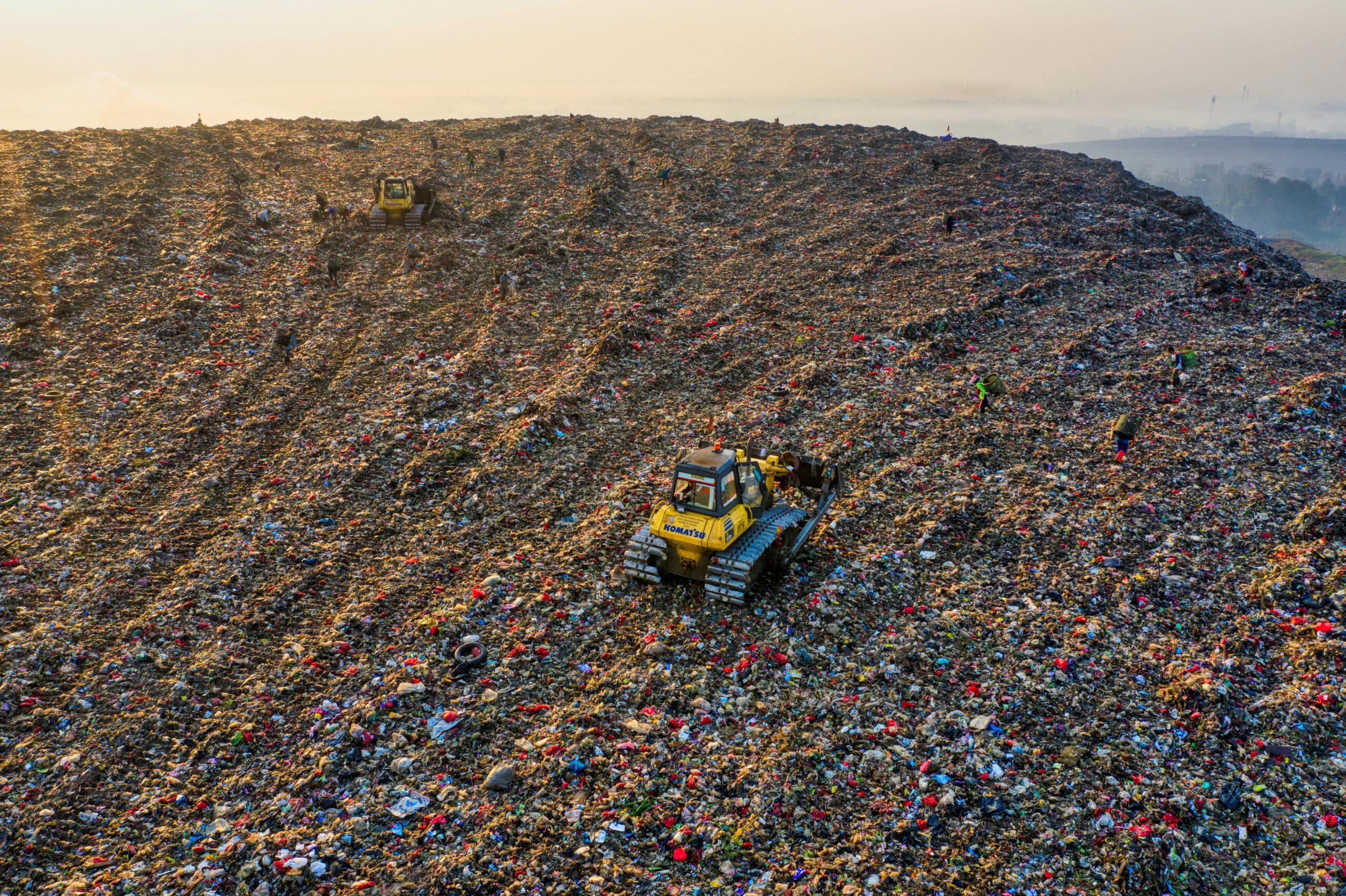
Zero waste to landfill
Our sites have sent zero waste to landfill since 2016, and are signatories to the Food Waste Reduction Roadmap and Champions 12.3.
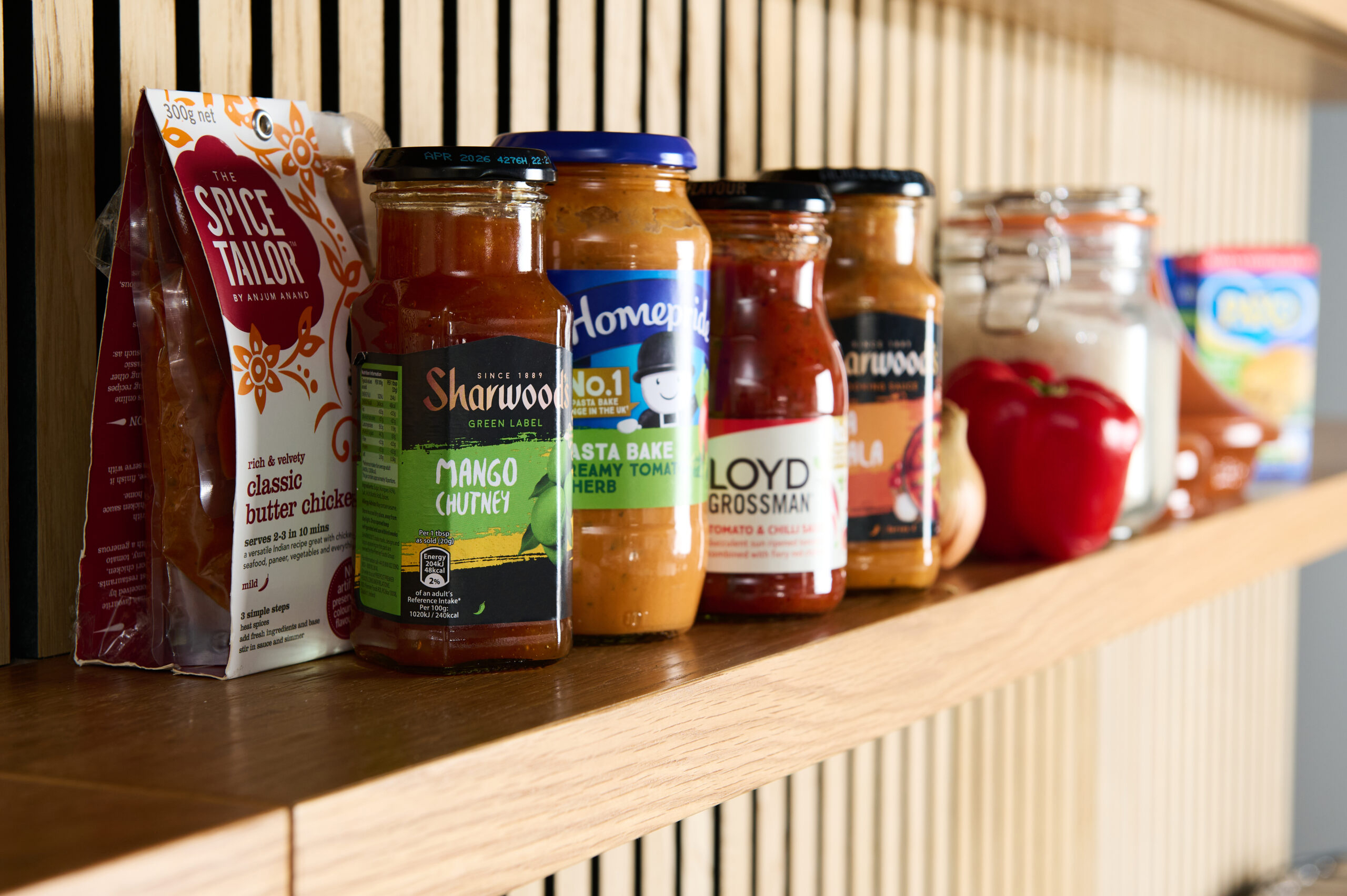
Reducing food waste
As part of our charity partnership with Felix (formerly FareShare), we have identified new routes for the redistribution of food which is fit for human consumption and SugaRich, a surplus food reprocessing company, helps us divert waste for animal feed. To reduce food waste in consumers’ homes, we promote on-product packaging giving recipe ideas for leftovers.
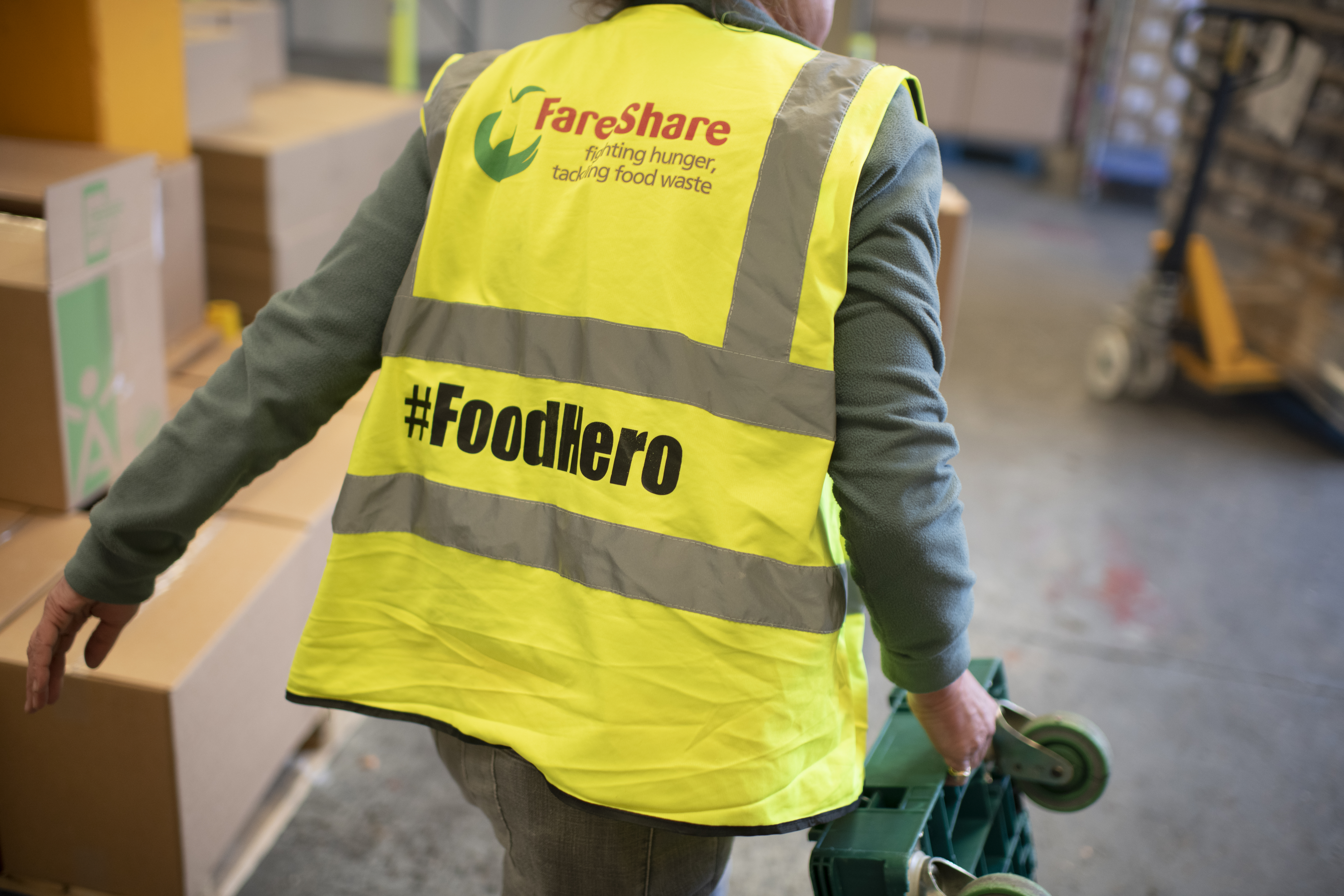
Working with Felix (formerly FareShare)
Reducing food waste is one part of our multi-faceted partnership

Innovating on new ways to make our products
Working with universities and suppliers on new manufacturing processes alongside effective internal R&D.
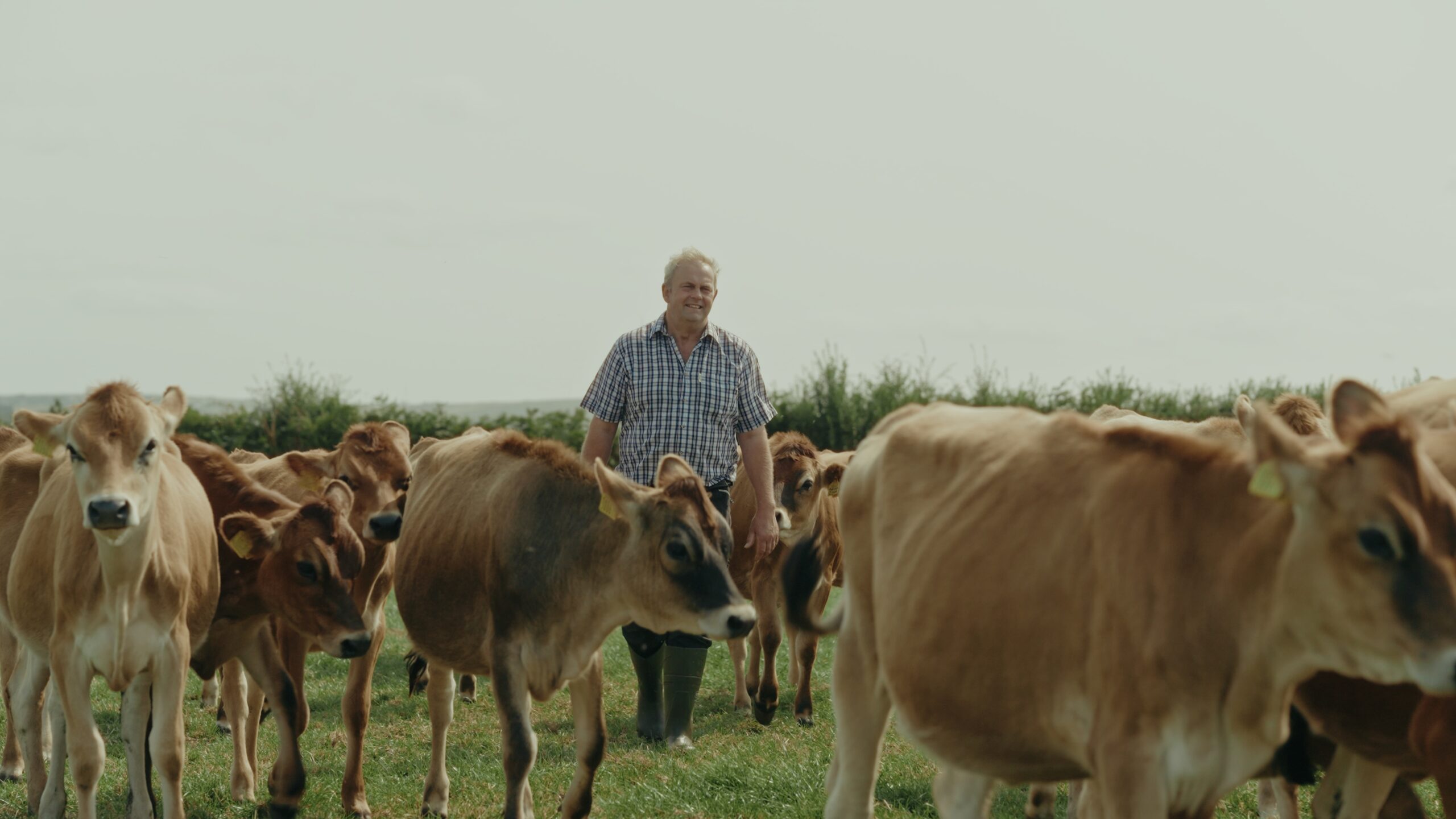
Leading on Farm Animal Welfare
Working in partnership with our suppliers to implement best practice

Growing our renewable electricity generation capacity
We recently commissioned a new 2.2MW solar farm at our Carlton Bakery